



How Nadia (kine) transformed her results with Q-Technology P.S. This is our legendary Stella in the picture, not Nadia, who remains anonymous. In modern physiotherapy, it’s hard to really stand out.But Nadia, a physiotherapist in the Paris region, decided to go…
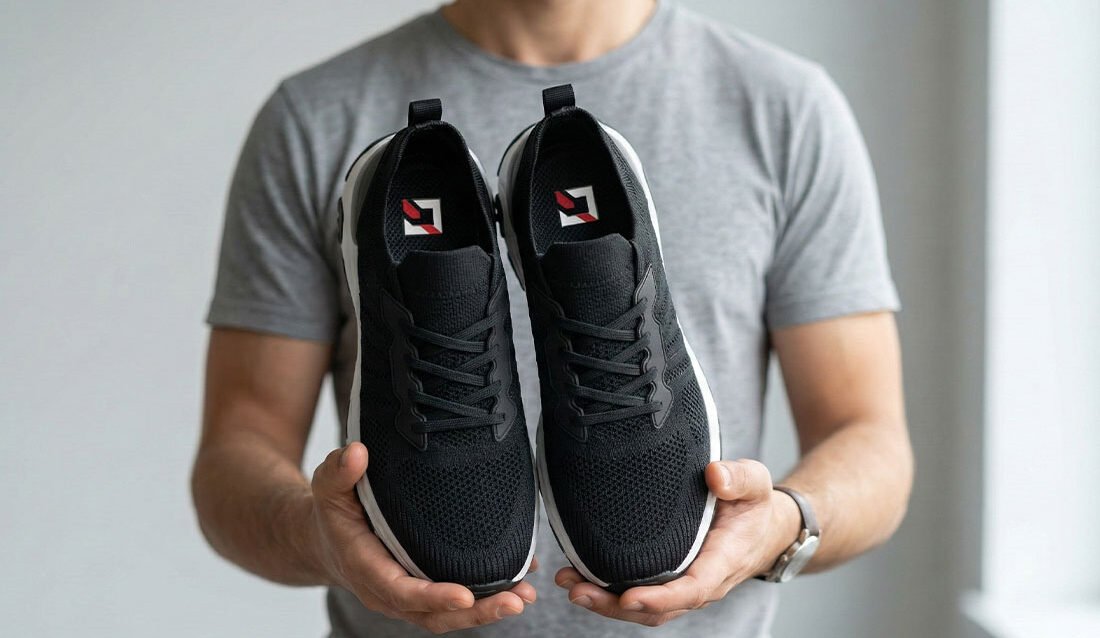
Become a Q-Technology dealer: the perfect start-up to start your well-being business
Back-to-back: the perfect time to reinvent your business September is no longer a routine-tradition: this is the perfect time to (re)give meaning to your professional goals… and why not transform your trajectory? Imagine… Generate a new source of revenue by offering your…
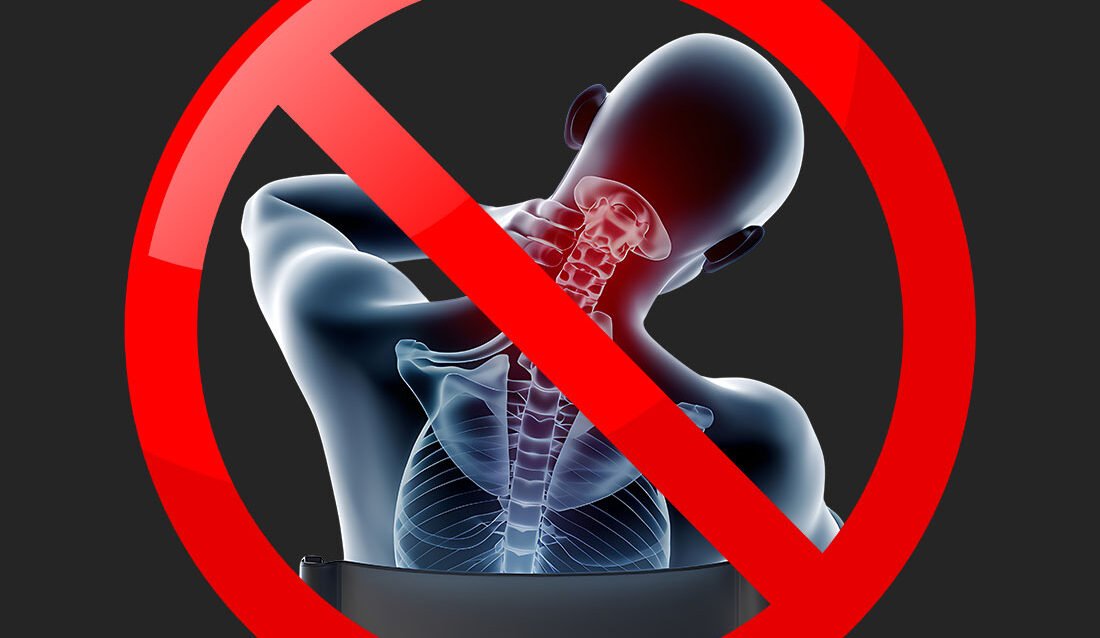
Biohacking the posture: 3 new techniques to reduce pain and boost your performance
Biohacking is nutrition, sleep, and now POSTURE.Still little explored, this lever transforms mobility, reduces pain, and drains energy – both mental and physical. Why is pain and posture inseparable? Posture is much more than appearance: it reflects the health of the…

How to protect and regulate your nervous system during the day to sleep better at night
Your nervous system: the conductor of your nights Imagine: even when the light goes out, this conductor that is your nervous system sometimes refuses to put the stick down. As a result, you’re on the alert when you’re just dreaming of…
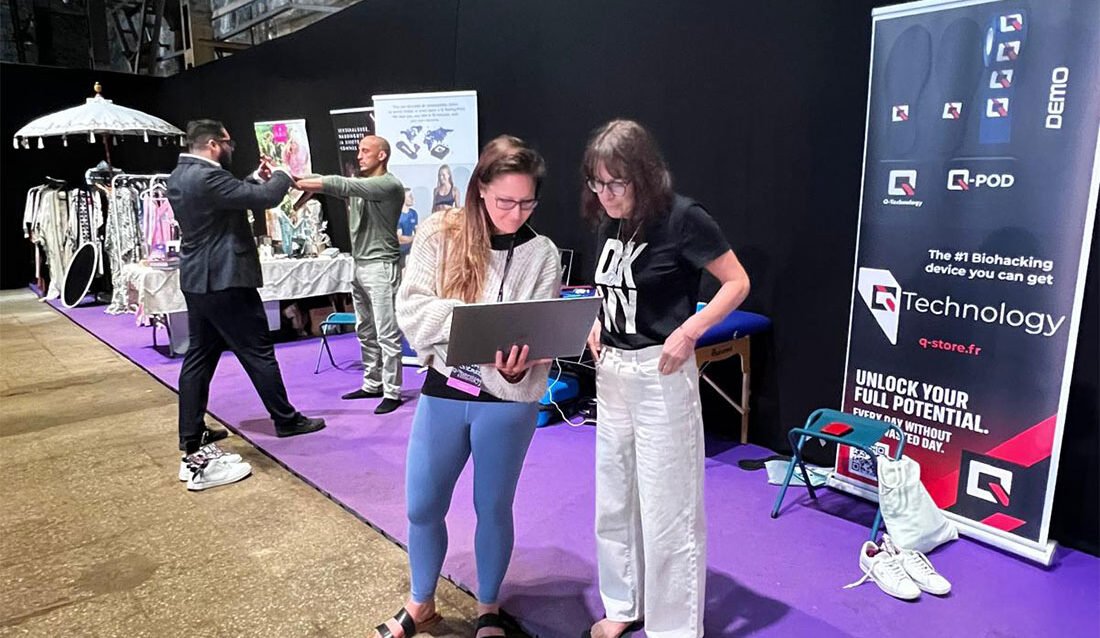
Why join the Q-Technology network now (and not in 6 months)
There are only opportunities once.They move forward, they transform – and, honestly, they don’t wait. This is exactly what happens with the Q-Technology network.Behind growth: concrete results, an explosive demand, and tools capable of transforming both pros and those who are…
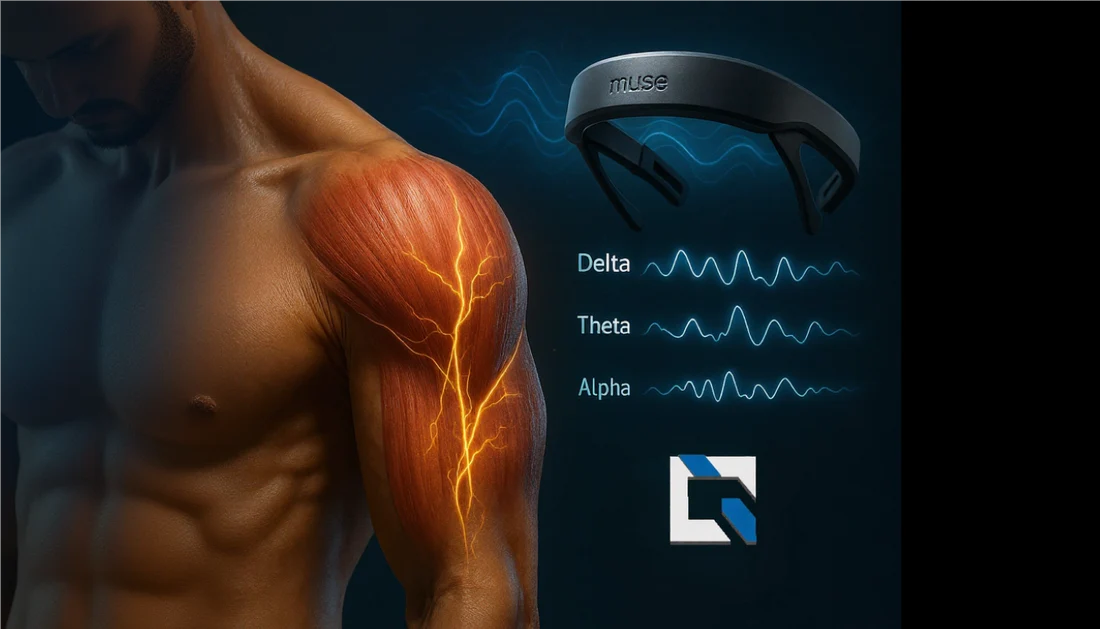
First results of a pilot study
Q-Technology was designed to act as a catalyst for neuromuscular regulation and postural stabilization. But how can these effects be measured? To explore this question, an exploratory pilot study was conducted on August 16, 2025. It aimed to observe the influence of Q-S technology on: muscle stability, brain activity (EEG), and heart rate. The muscle chosen: the left middle deltoid, used during a manual abduction resistance test (arm raised at 90°). Methodology The experiment was conducted using the Muse Athena EEG headset and the MindMonitor app. Two conditions were compared: Without Q-S: the muscle quickly released under pressure. With Q-S: the muscle firmly resisted twice in a row. Recordings included: EEG activity (Delta, Theta, Alpha bands), heart rate, and observed muscle stability. Quantitative results (recorded averages) Setting Without Q-S With Q-S Variation EEG Delta (AF8) 0.654 0.953 ↑ +45% EEG Theta (AF8) -0.235 -0.063 ↓ EEG Alpha (TP9) 0.022 0.020 ≈ Stable Heart rate (BPM) 79.8 82.8 +3 BPM Muscle stability Weak High Improved…